Marfa Texas is unlike anywhere else in the Lone Star State. This remote high-desert town of fewer than 2,000 people in the Trans-Pecos region has become one of the most talked-about art destinations in the United States. Marfa attracts artists, architects, writers, and curious travelers from around the world — drawn by the Chinati Foundation’s monumental contemporary art installations, the legendary Marfa Lights, and a creative atmosphere that feels completely at odds with the surrounding open ranchland. Here is everything you need before making the trip.
Where Is Marfa Texas?
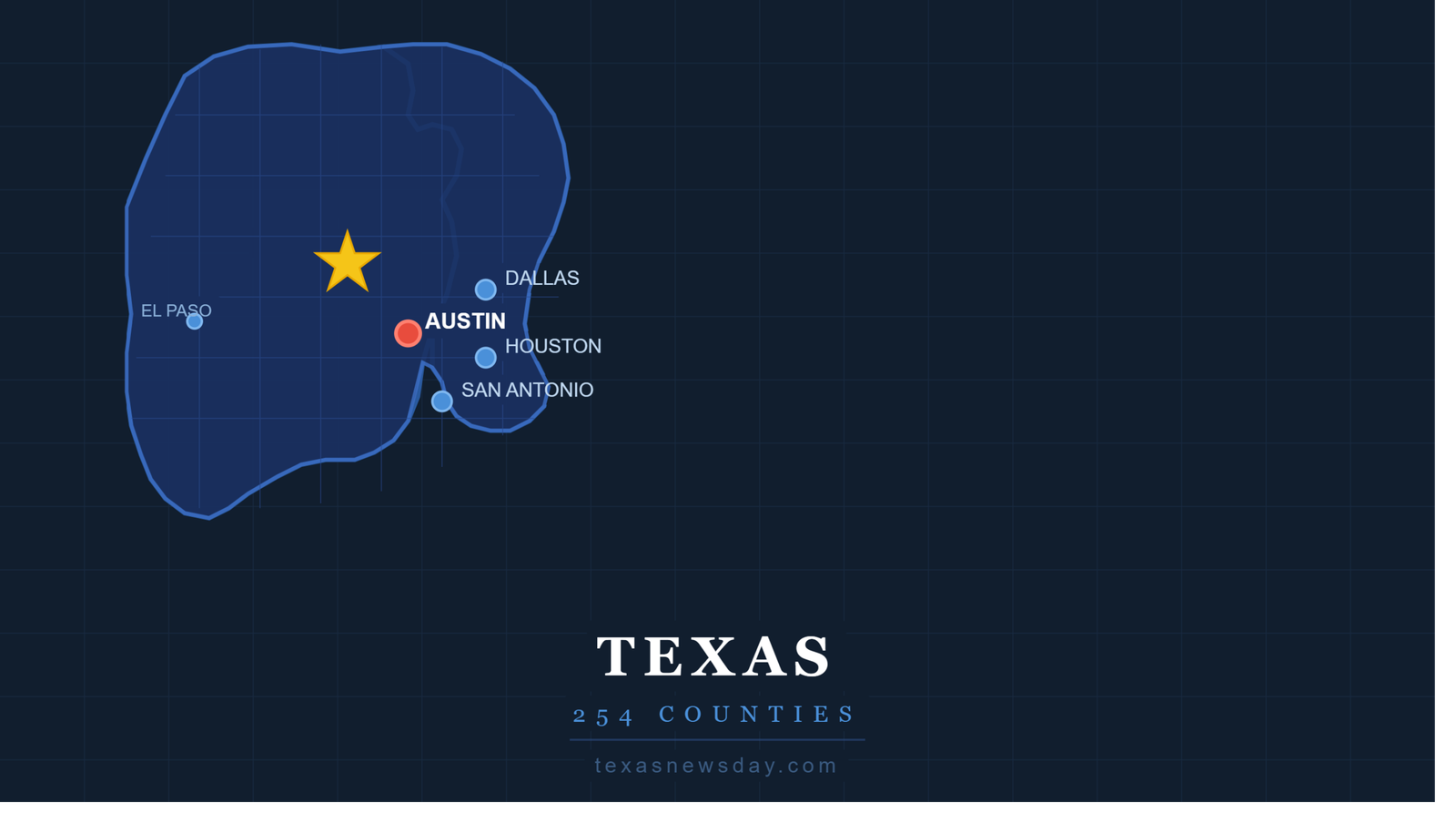
Marfa sits in Presidio County in the Big Bend Country of West Texas at an elevation of 4,688 feet above sea level. It is approximately 190 miles southeast of El Paso and 60 miles north of the Mexican border at Presidio. The drive from major Texas cities requires commitment — roughly 6 hours from San Antonio, 7.5 hours from Dallas or Austin, and 3 hours from El Paso. Consequently, visitors typically plan multi-night stays rather than attempting a day trip from major metros. The Midland International Air and Space Port is the nearest commercial airport with regular service, approximately 3.5 hours northeast.
The Chinati Foundation – World-Class Art in the Desert
The Chinati Foundation is the single most significant reason Marfa exists on the international art map. Artist Donald Judd arrived in Marfa in 1971, drawn by the landscape, the open space, and the freedom to create large-scale work outside the New York gallery system. He eventually converted a former U.S. Army installation — Fort D.A. Russell — into one of the most significant permanent contemporary art collections in the world.
The foundation’s centerpiece is Judd’s own work: 100 untitled works in milled aluminum arranged across two massive former artillery sheds. The relationship between the natural light entering the buildings and the reflective aluminum surfaces changes dramatically with the time of day and season. Additionally, the campus includes permanent works by John Chamberlain (crushed car sculptures), Dan Flavin (fluorescent light installations), and other major artists whose pieces were created specifically for the Marfa site.
Chinati offers guided tours Wednesday through Sunday. Admission ranges from $25 for a partial tour to $50 for a full-day experience of all installations. Reservations are strongly recommended — particularly on weekends and during the annual Chinati Weekend open house in October. Visit chinati.org to book.
The Marfa Lights – Texas’s Most Famous Mystery
The Marfa Lights are unexplained glowing orbs that appear near Mitchell Flat along US Route 67 east of town. The lights have been reported since at least the 1880s, appearing as bright floating orbs that split, merge, and move across the desert. Texas officially recognized the phenomenon in 1986 and built a designated viewing area with telescopes approximately nine miles east of Marfa on US-67. The viewing area is free and open nightly.
The cause of the Marfa Lights remains scientifically unsettled. Explanations range from atmospheric refraction of car headlights on distant highways to geologic electrical discharges from fault lines in the Chinati Mountains. A 2004 study by the Society of Physics Students suggested the lights are distant car headlights — but historical accounts predate automobiles entirely, which keeps the mystery credible. Whatever explains them, the experience of watching the lights from the viewing area on a clear West Texas night is genuinely memorable.
Prada Marfa – The Art Installation on US-90
Located 26 miles northwest of Marfa on US-90 near Valentine, Prada Marfa is a permanent art installation by artists Elmgreen and Dragset. Opened in 2005, it is built to look exactly like a Prada boutique — complete with actual merchandise visible through the windows — but sealed shut and intended never to function as a business. The piece stands alone in open ranchland and has become one of the most photographed roadside attractions in the United States. It is free to visit, accessible 24 hours a day, and requires no reservation.
Where to Eat in Marfa
Despite its tiny size, Marfa has a surprisingly good restaurant scene driven by the art world visitors who bring cosmopolitan expectations. Stellina serves Italian-influenced food in a converted house. Food Shark is a beloved Mediterranean food truck particularly popular for weekday lunches. The Hotel Saint George’s bar and restaurant offers cocktails and upscale bites in the evening. Many visitors stock up on groceries before arriving given the limited dining options relative to larger Texas cities.
Where to Stay in Marfa
The Hotel Saint George is the most prominent lodging option — a restored historic hotel in the center of Marfa with modern design and consistent service. El Cosmico is an alternative camping resort featuring trailers, teepees, and yurts for visitors seeking a more experiential stay. Additionally, vacation rentals through Airbnb and VRBO are available. Book well in advance for October’s Chinati Weekend open house — rooms sell out months ahead during that event.
For more West Texas travel planning, read our Texas state parks guide and our Midland Texas city guide for the nearest major airport and regional services.
Frequently Asked Questions About Marfa Texas
What is Marfa Texas known for?
Marfa is known for three things: the mysterious Marfa Lights (unexplained glowing orbs visible east of town), the Chinati Foundation contemporary art museum founded by Donald Judd, and its outsized art scene for a town of fewer than 2,000 people.
How far is Marfa from other Texas cities?
Marfa is approximately 190 miles southeast of El Paso, 220 miles south of Midland, 400 miles west of San Antonio, and 550 miles west of Dallas. It sits in the remote Trans-Pecos region of West Texas.
Are the Marfa Lights real?
The Marfa Lights are a documented phenomenon — glowing orbs that appear near Mitchell Flat east of Marfa. The cause remains genuinely disputed. Theories include car headlights on distant roads, atmospheric refraction, and geologic electrical activity. Historical accounts predate automobile traffic.
What is the best time to visit Marfa Texas?
Spring (March–May) and fall (September–November) offer the most comfortable temperatures. Summer heat can reach 95°F or higher. The Chinati Foundation’s annual open house in October is one of the most popular times to visit.
What is the Chinati Foundation in Marfa?
The Chinati Foundation is a contemporary art museum founded by artist Donald Judd on a former U.S. Army fort. It houses permanent large-scale works by Judd, Dan Flavin, John Chamberlain, and others. Guided tours run Wednesday through Sunday.